All Categories
Featured

Will Leaner Operations Grow Your Marketing Agency?
Table of Contents
The group dealt with genuine MOps difficulties submitted by the audience and modeled quick, useful decision-making. with Wendy Barnum revealed how to guide AI tools so that outreach sounds context-aware and human. Guests found out how to enhance importance, tone, and action rates. with Courtney McAra and Julz James walked through a clear profession structure for MOps and RevOps.
with Brian Schmid and Andrea Frazier provided techniques to present information in formats that resonate with CEOs, CMOs, and CFOs. They also demonstrated how AI tools can replicate executive point of views to help refine messaging. with Courtney McAra explained how to centralize marketability requirements into one unified field. This structure assists groups operate in sync with Legal, Need Gen, and Sales while simplifying reporting and project execution.
Looking throughout all the leading sessions of MOps-Apalooza 2025, numerous key styles stick out. Here's what the information and conversations exposed: The appeal of sessions like Build Your First AI Agent and Scaling Credibility with AI showed that the community is previous experimentation and now concentrated on execution, enablement, and quantifiable outcomes.
[target2:anchor_exact1]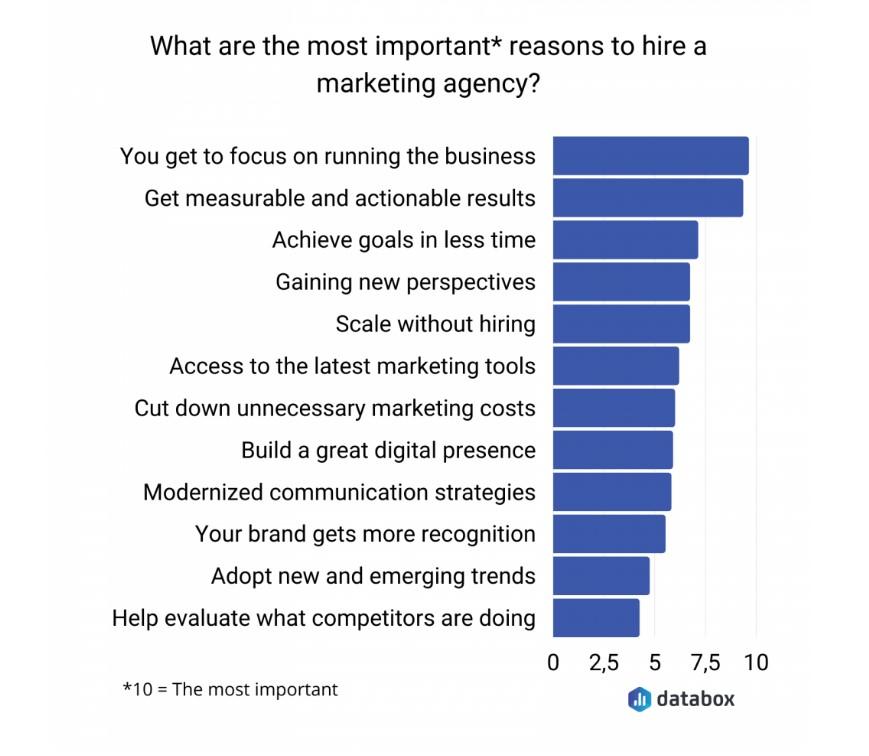
Senior Management Tips for Increasing Agency Efficiency
Interest in panels like How to Start Sharing Your Operations Knowledge revealed professionals are interested to teach, coach, and document their know-how for cumulative development. Interest in sessions like The Old Playbook is Dead or Tactical by Style suggested that emphasis is relocating to utilizing technology to empower instead of replace people.
This indicated a stronger sense of shared development in the community. These patterns reflect how marketing operations continues to develop as both a discipline and a management function. Every session mentioned here, and much more, is readily available to stream as needed! You can view on-demand in the Mopza 25 portal up until January 31, 2026 if you are a Pro/ Pro + member or ticket holder.
If you aren't a member yet, become a member now to dig into years of insights from the brightest minds in marketing operations and find how to use these lessons in your own work today.
"It is not the greatest of the types that endure, nor the most smart, however the one most responsive to alter." - Charles Darwin Adaptation is the key to survival and success in nature and organization. When I was recruited to lead an organization with no sales process, it was clear we had to adapt to grow.
This was the foundation for our very first sales process. At first, our sales process evolved to include standard phases: lead generation, prospecting, lead credentials, contact, proposition, negotiation, contracting, and application. This assisted us forecast and get ready for the future. As the market evolved, we understood the requirement to adapt additional to stay competitive.
How to Grow Your Marketing Business for 2026
After all, customers don't consider buying choices in terms like "proposition phase." Instead, we redefined our method to include phases such as: not in the market, promoted, specifying the problem, evaluating alternatives, mitigating danger, making choices, and executing. These modifications were basically crucial. They permitted us to ask better questions, produce supporting materials tailored to the purchaser's personality at the correct time within the sales cycle, and line up more closely with our consumers' intents.
This adjustment elevated our organization in the eyes of our customers and helped grow our pipeline. More notably, it offered real clearness and certainty in our pipeline, allowing the management team to make educated service decisions. Advantages of a Defined Sales Method: * Improved Forecasting: A structured process helps anticipate future sales more accurately.
* Increased Customer Satisfaction: A customer-centric technique makes sure that clients' needs are fulfilled more successfully. * Boosted Group Positioning: Clear stages and procedures align the sales group with organizational objectives.
For many B2B organizations, budgeting season is either just starting or currently in complete swing. If you're leading marketing operations, sales operations, or profits operations functions, there are couple of warranties about what 2026 has in store. With turbulent global markets, shifting trade alignments, and AI transforming businesses and buying, much of what we know is at risk of being overthrown.
In this post, I'll draw from Forrester's Budget Planning Guide 2026: Profits Operations report (client-only gain access to) to highlight what our group thinks will assist operations leaders adjust faster, invest smarter, and open new ways to drive value for your customers. Experienced marketing and sales leaders are heading into 2026 undeterred by the uncertainties of the larger business environment.

Latest Posts

Maximizing PPC and Content ROI Through 2026 Trends
Future Sector Forecasts and Growth Factors

How to Expand Small Business Within the USA